
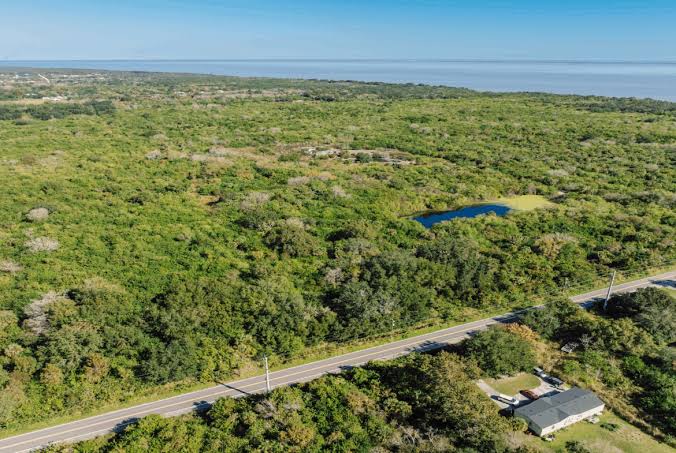
Finding a piece of land that looks perfect for your future home can be exciting. The location may be ideal, the neighborhood may feel right, and the property may even have the views you’ve been looking for. But before purchasing a lot, it’s important to understand that not every property will accommodate every home design.
Working with an experienced home designer in Brevard County before you get too far into the process can help you identify potential opportunities and limitations associated with a property. At Armistead Design, we’ve worked on residential projects throughout Brevard County for decades, and one thing experience teaches you quickly is that the property itself should play an important role in the design.
Here are several things prospective homeowners should consider before purchasing land for a new home.
Understand the Buildable Area of the Property
A property’s total square footage and its usable building area aren’t necessarily the same thing.
Setbacks, easements, zoning requirements, drainage areas, and other restrictions can reduce the portion of a property where a home can actually be constructed. This becomes particularly important when considering smaller or unusually shaped lots.
You might find a property that appears large enough for the home you envision, only to discover that the allowable building envelope creates significant design limitations.
This doesn’t automatically make the property a poor choice. It simply means the home needs to be designed around the realities of the lot.
Consider Flood Zone and Elevation Requirements
Living in Brevard County means water is part of our environment. Rivers, canals, lagoons, the Atlantic Ocean, and low-lying areas all contribute to the character of the region, but they also make flood considerations an important part of residential planning.
Before purchasing property, homeowners should understand whether the lot is located within a designated flood zone and what elevation requirements could apply to construction.
These factors may influence foundation design, finished floor elevation, site preparation, access, and ultimately the appearance of the home.
An experienced home designer in Brevard County can incorporate these conditions into the design instead of treating them as problems that need to be addressed later.
Look Beyond the View
A beautiful view can understandably become the deciding factor when purchasing property. However, there’s more to consider than what you see standing in the middle of the lot.
We also want to think about what the property will feel like once a house is actually there.
Where does the afternoon sun hit? Where are the neighboring homes? Which direction offers the greatest privacy? Where should the primary living spaces be located? How will the pool, lanai, driveway, and garage interact with the house?
At Armistead Design, these questions help us determine how a home can take advantage of a property instead of simply occupying it.
Think About Access and the Driveway
The driveway and garage aren’t always the most exciting parts of designing a custom home, but their locations can significantly influence the floor plan.
The location of road access may determine which side of the house makes the most sense for the garage. On narrow or unusual properties, vehicle turning space can become another consideration.
A thoughtful design should make arriving home feel natural while preventing the garage and driveway from unnecessarily dominating the architecture.
These practical considerations are easier to address when they’re part of the initial design rather than something added after the home has been planned.
Investigate HOA and Community Requirements
Some Brevard County properties are located within communities that have architectural guidelines in addition to local building requirements.
Those guidelines may regulate elements such as:
- Minimum home size
- Roof materials or pitches
- Exterior finishes
- Building height
- Garage placement
- Fences
- Setbacks
- Architectural styles
Understanding these restrictions before buying can help determine whether your vision for the home is compatible with the property.
If you’ve always envisioned a particular architectural style, discovering after purchasing the lot that the community won’t approve it can be an expensive disappointment.
Don’t Assume a Stock Plan Will Fit
It’s tempting to find a floor plan online and then search for a lot where it might fit. In many cases, I recommend thinking about the process differently.
Start with the property and your lifestyle, then design the home around both.
Custom residential design allows us to consider the characteristics that make a property unique. A waterfront lot might call for living areas positioned toward the view. A narrow property might benefit from a completely different configuration. A heavily wooded lot could present opportunities to preserve mature trees and create privacy.
This is where working with a home designer in Brevard County can provide real value. Instead of forcing a generic home onto a unique property, the property becomes part of the design.
Talk to Armistead Design Before You Build
Buying land is the beginning of your home-building journey, and understanding what you’re buying can make everything that follows easier.
At Armistead Design, we believe successful residential design comes from understanding the homeowner, the property, and the environment before putting those ideas together on paper. Scott Armistead and the Armistead Design team bring decades of residential design experience and extensive knowledge of Brevard County to that process.
If you’re considering purchasing land or already have a property and are ready to explore what’s possible, contact Armistead Design. Working with an experienced home designer in Brevard County early in the process can help you turn the right piece of land into the right home.